Existing culvert concerns
Review a pipe that appears blocked, damaged, displaced, or connected to water backing up or crossing an access area.
Keep water moving beneath access areas.
Down East Land Improvements provides culvert and drain-tile work across Eastern North Carolina, with Carteret, Craven, Onslow, and Jones counties as primary service areas. These systems move water beneath a driveway or through a defined drainage route. The estimate accounts for the pipe, grade, inlet, outlet, access, and local requirements.
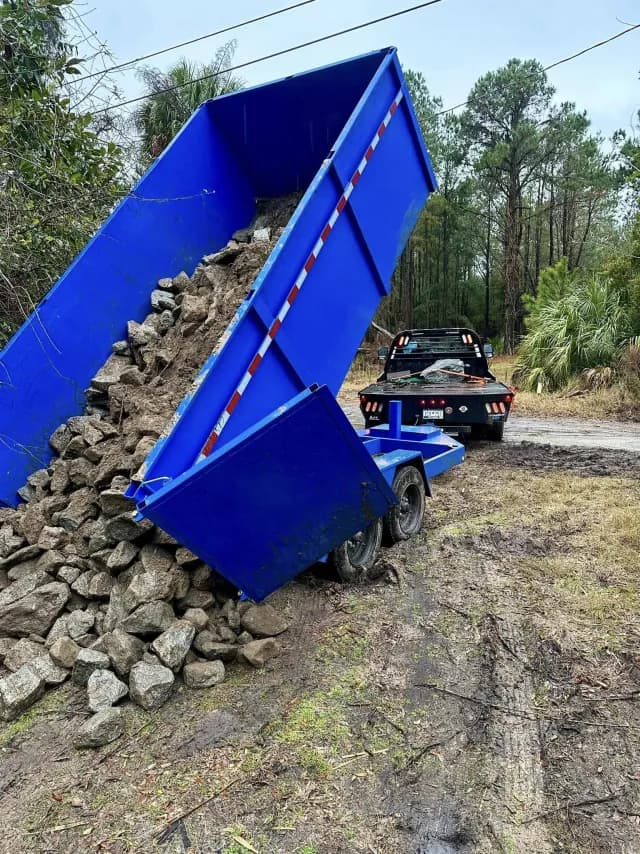
A culvert or drain-tile project is not defined by pipe alone. Water must be able to reach the inlet, move through the system, and leave through a workable outlet. The surrounding grade, crossing surface, erosion, and upstream and downstream conditions all affect whether an existing system needs attention or a new drainage route can be considered.
Driveway and access crossings must be considered in relation to their use. Existing pipe, the surface above it, excavation space, work access, nearby utilities, and restoration needs establish the boundaries of a useful estimate.
If water is backing up, crossing the drive, or washing around the ends of a pipe, share when it happens and how the area has changed. The scope should address the full drainage path rather than treating one damaged or blocked section as an isolated problem.
See a similar project below? Tell us where it is and what you would like to accomplish. We’ll inspect the property before recommending the work.
Review a pipe that appears blocked, damaged, displaced, or connected to water backing up or crossing an access area.
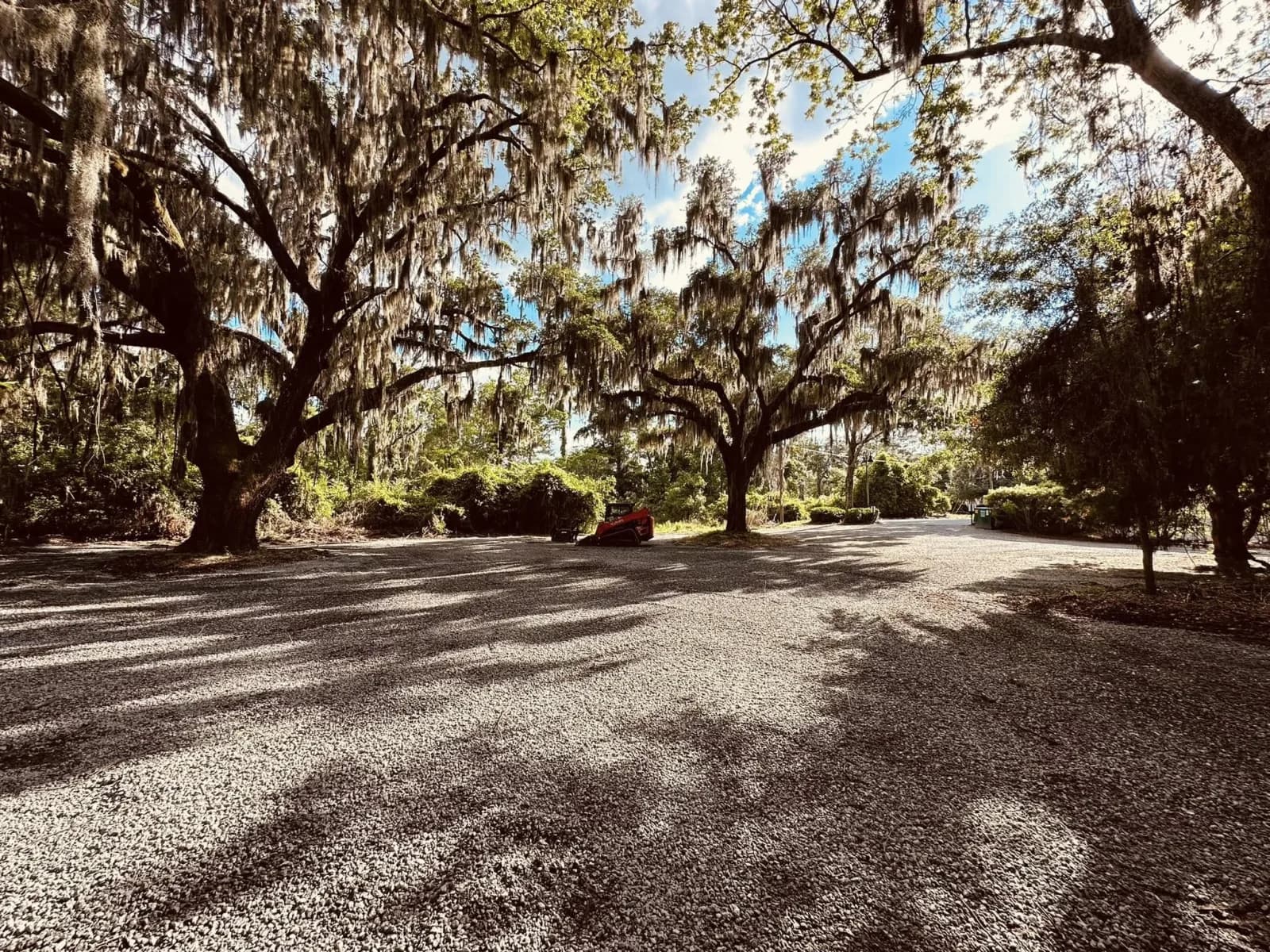
Evaluate the drainage route, proposed access location, excavation space, surface needs, and local requirements before defining the crossing work.
Look at washing soil, unstable edges, or changes around an inlet or outlet in the context of the grade and flow approaching the pipe.
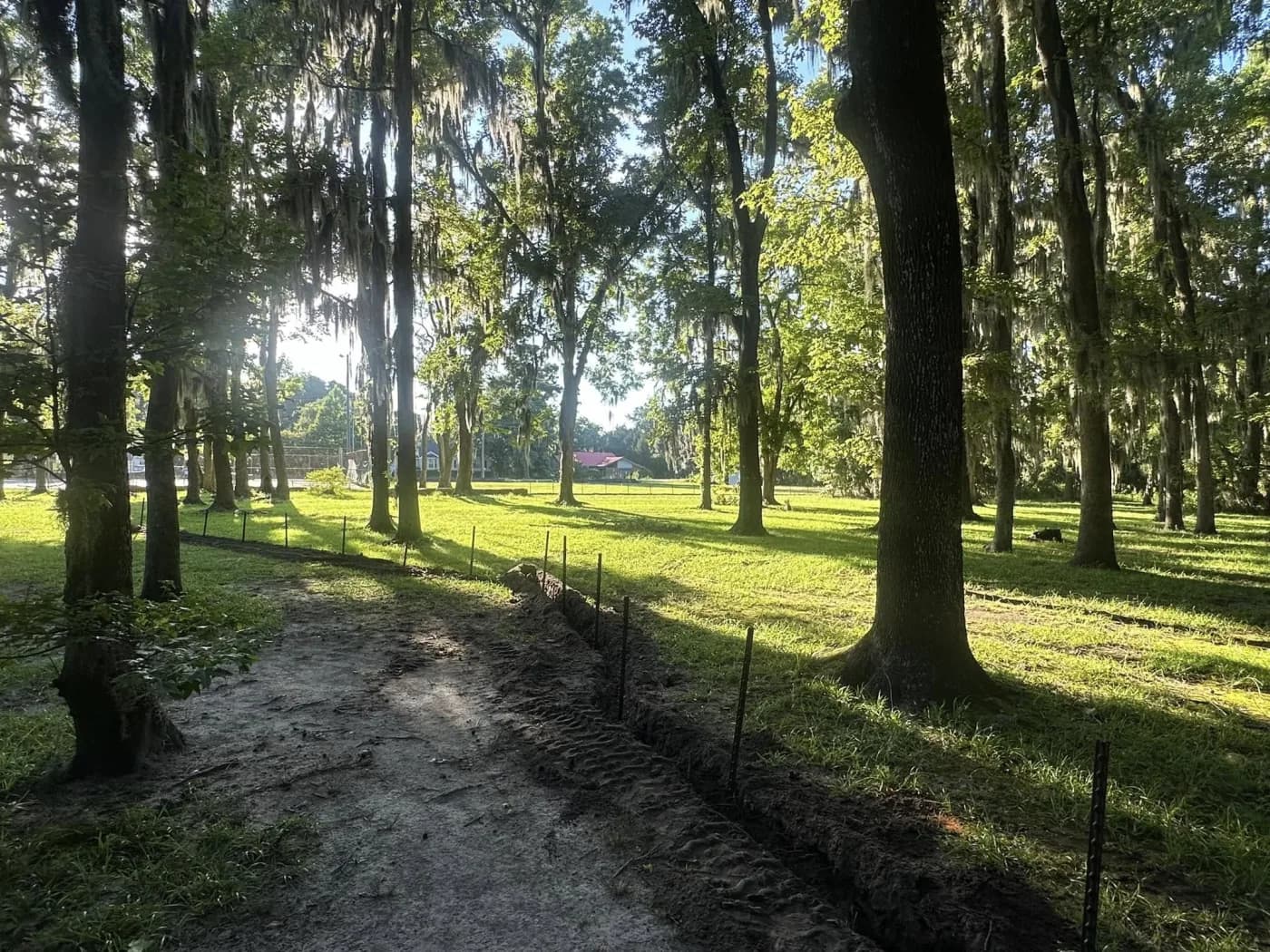
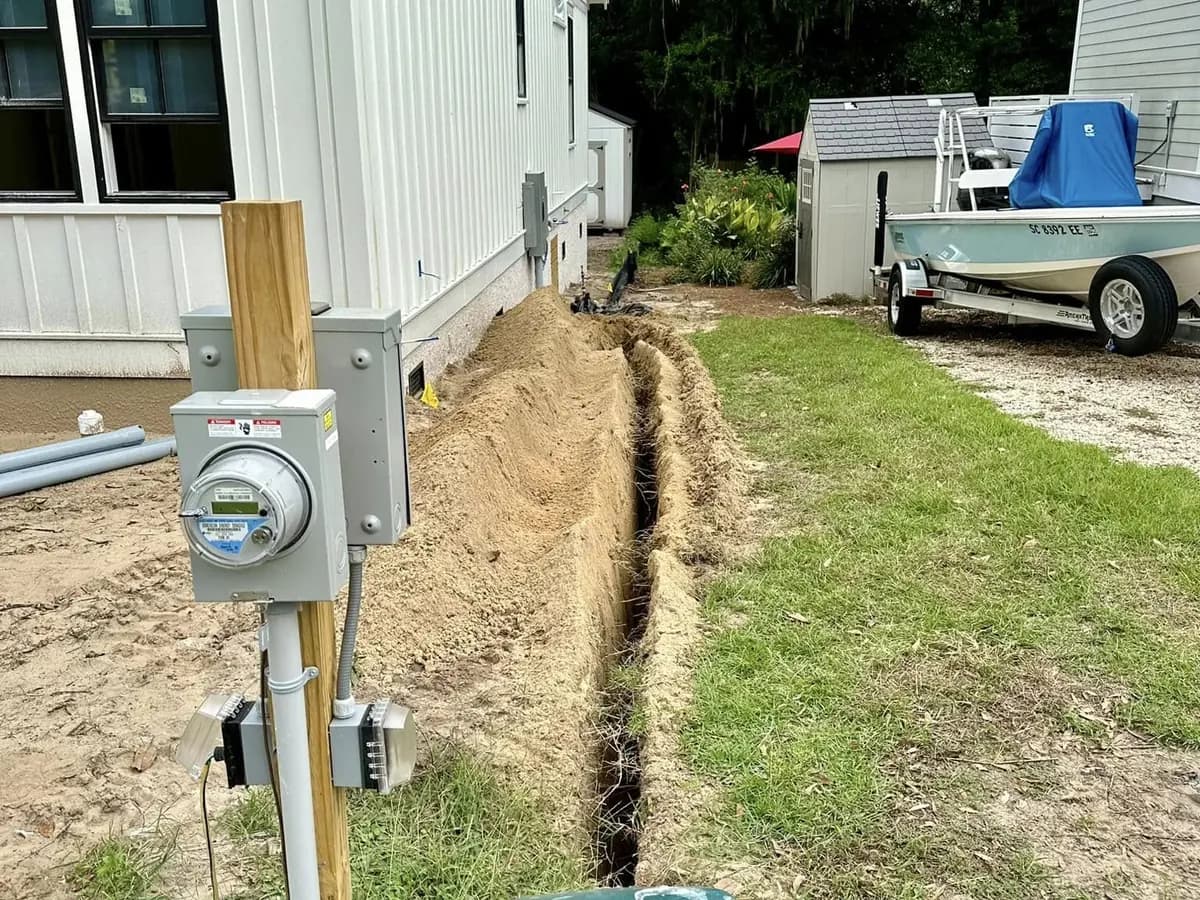
Assess a defined subsurface drainage route, including where water is collected, where it can discharge, and what surface restoration the trench requires.
You don’t need to know the exact service. Start with the property and the result you want.
A pipe is only one part of the drainage path. Placement and surrounding conditions matter.
Existing drainage direction and available outlet
Pipe location, condition, size, and proposed use
Driveway or access loads above the crossing
Excavation space, utilities, and nearby boundaries
Backfill, surface restoration, permits, and jurisdictional requirements
The estimate connects the pipe work to the surrounding grade, access surface, and erosion concerns. Related grading, driveway, excavation, and stabilization needs are identified before the project moves forward.
Down East Land Improvements reviews culvert and drain-tile projects throughout Eastern North Carolina. Carteret, Craven, Onslow, and Jones counties are the main service area, while requests beyond those counties are considered according to location and project fit.
Eastern North Carolina properties can present different crossing surfaces, drainage patterns, access limitations, and jurisdictional considerations. The estimate stays tied to the property and the complete route water needs to follow.
These answers cover the basics. We inspect the property before pricing the work.
Both move water through pipe, but they can serve different parts of a property. A culvert commonly carries water beneath a driveway or access route. Drain tile may be part of a subsurface drainage system. We look at the full drainage route before recommending the work.
Yes, when the crossing and property conditions allow it. Pipe condition, grade, outlet, access, and local requirements all affect the scope.
Only when it is listed in the estimate. The estimate should state what excavation, backfill, compaction, aggregate, and driveway finish are included so the boundaries are clear.
Send the address, what is there now, and what you need done. Down East will call to discuss the request, confirm whether the project is a fit, and explain the next step.