Drainage and culvert excavation
Review digging connected to a defined drainage route, crossing, pipe, inlet, outlet, or related grading need.
Excavation planned around the whole site.
Down East Land Improvements provides excavation across Eastern North Carolina, with Carteret, Craven, Onslow, and Jones counties as primary service areas, for drainage, site preparation, trenching, removal, and access work. Dig limits, soil, utilities, technical requirements, material handling, equipment access, and restoration determine the scope.
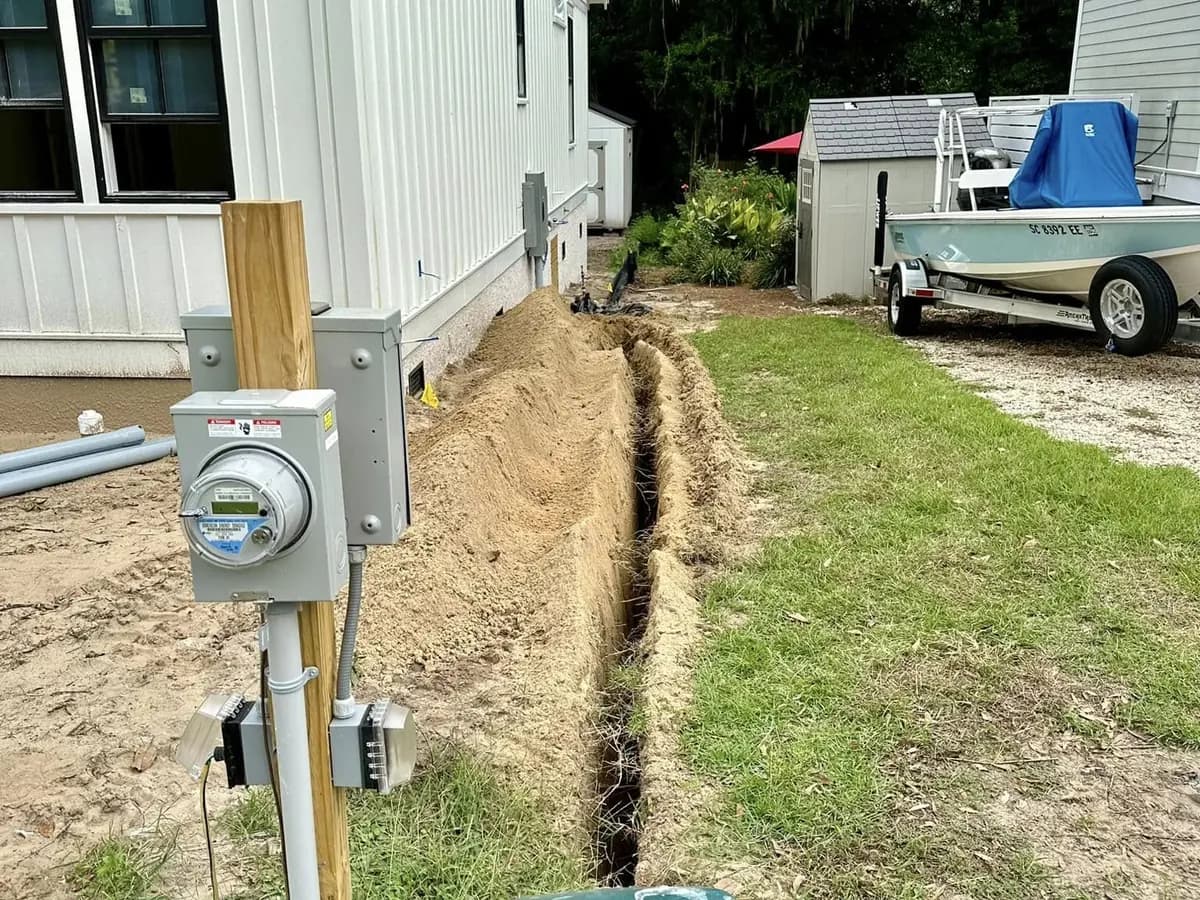
Excavation opens, removes, or reshapes ground for a defined property need. It may support drainage, a culvert, site preparation, driveway work, removal, or a utility-related trench. The visible dig area is only part of the scope; what lies below the ground, where excavated material goes, and how the area is restored matter just as much.
Every excavation estimate accounts for the exact work limits, intended result, soil and visible water conditions, equipment access, known utilities, nearby structures, material handling, backfill needs, and the expected surface afterward. Technical, regulated, engineered, shored, or utility responsibilities must be identified rather than assumed.
A clear excavation scope follows the ground through each step: opening the agreed area, managing removed material, addressing confirmed backfill needs, and leaving the surface in the condition stated in the estimate. Related grading, drainage, access, and restoration can be considered when they are part of the same property request.
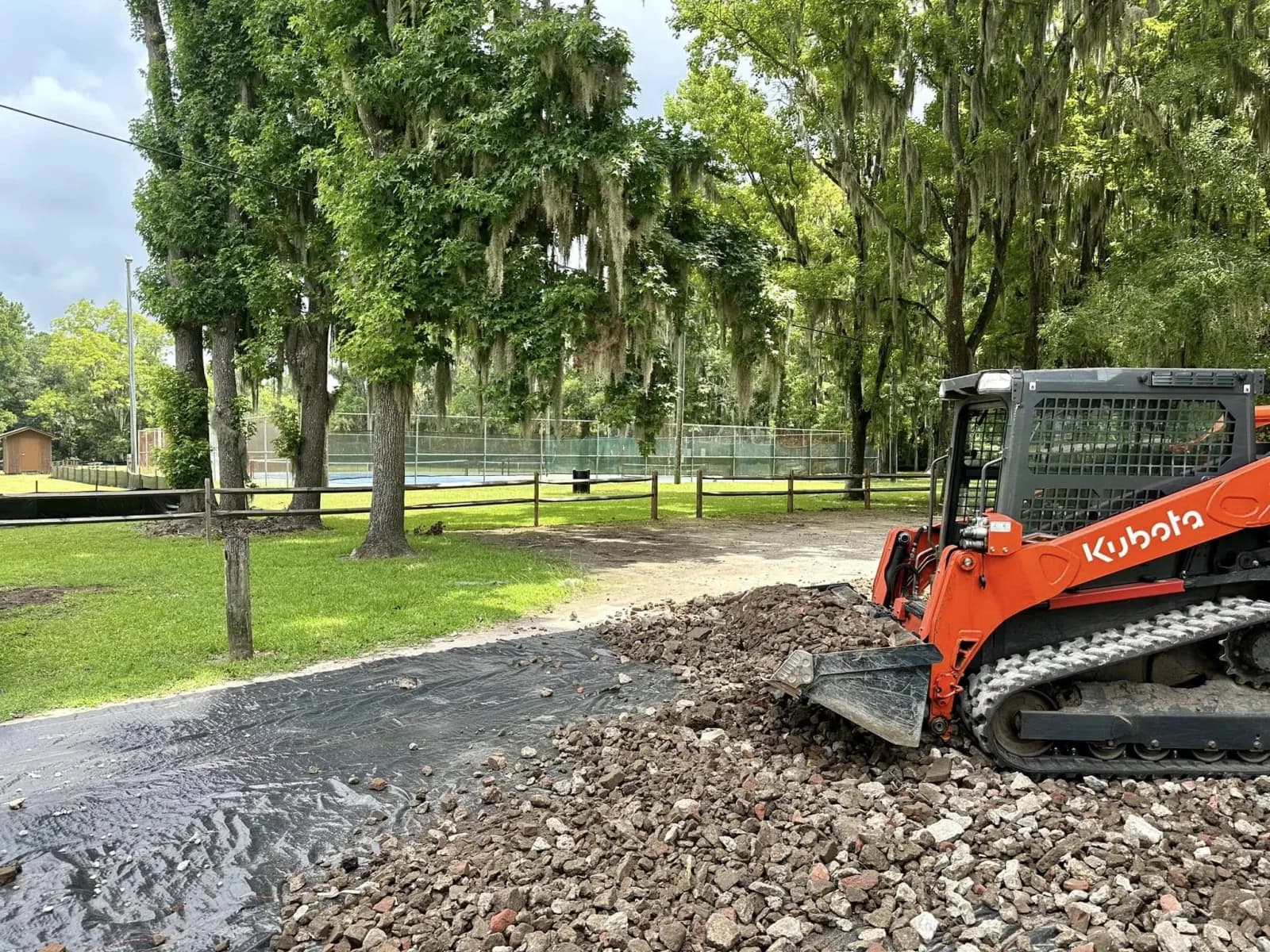
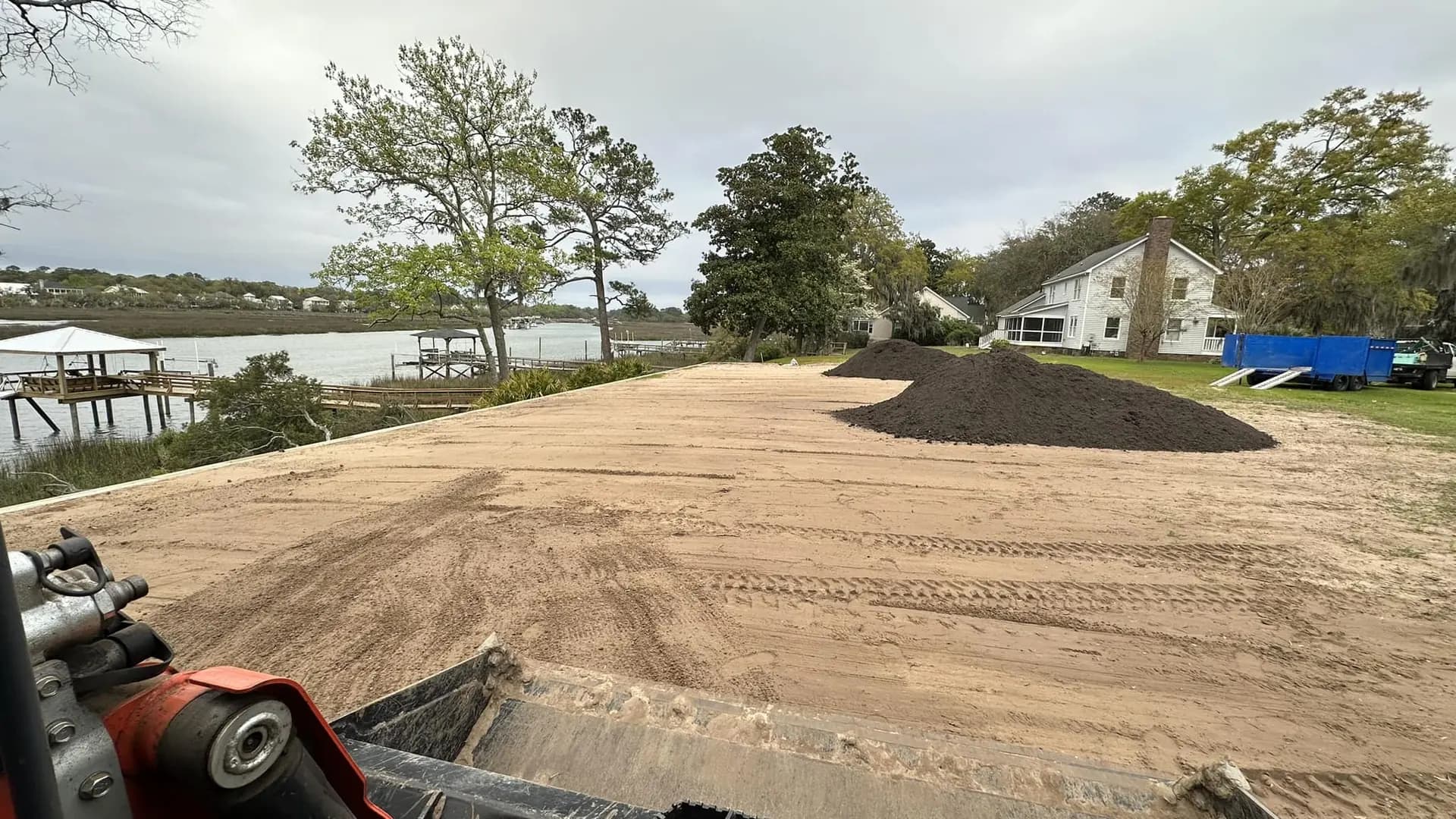
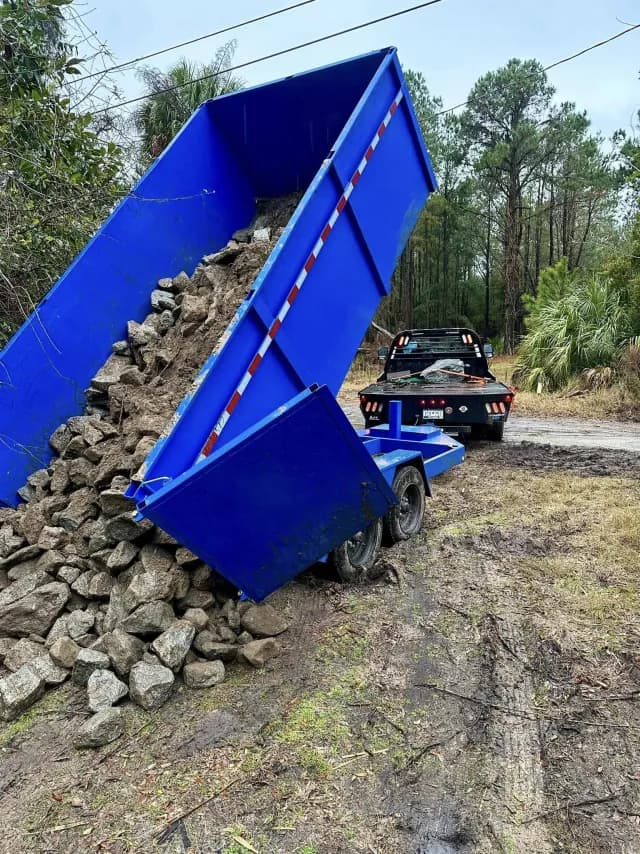
See a similar project below? Tell us where it is and what you would like to accomplish. We’ll inspect the property before recommending the work.
Review digging connected to a defined drainage route, crossing, pipe, inlet, outlet, or related grading need.
Evaluate soil removal or ground work needed for an agreed site-preparation, driveway, or property-access scope.
Review the proposed route, access, utilities, excavated material, backfill, and restoration for a confirmed trenching request.
Plan excavation associated with removing agreed material or site features and determine how the disturbed area should be left.
You don’t need to know the exact service. Start with the property and the result you want.
Excavation risk comes from what is below ground as much as what is visible above it.
Exact dig area, depth, dimensions, and intended result
Utility location, marking, ownership, and verification
Soil, groundwater, stability, and any technical requirements
Equipment access, spoil placement, export, or imported backfill
Compaction, testing, surface restoration, and responsibility boundaries
The estimate should define the dig, handling of excavated material, backfill, and finish condition. Engineered, shored, regulated, or utility work outside the confirmed service must be assigned to the appropriate party.
Down East reviews excavation projects throughout Eastern North Carolina, with Carteret, Craven, Onslow, and Jones counties as primary service areas. A project outside those counties may still be considered after the property address, access, and scope are reviewed.
Soil, water, utilities, developed surroundings, and access can change significantly from one Eastern North Carolina property to another. Each excavation estimate is based on the actual dig area and the responsibilities connected to it.
These answers cover the basics. We inspect the property before pricing the work.
Excavation may support grading, drainage, culverts, site preparation, driveway work, removal, or utility-related trenching. Depth, soil, utilities, access, technical requirements, and restoration determine the final scope.
Utility marking, private-line locating, disconnection, verification, and documentation responsibilities must be confirmed before digging. They should never be assumed.
Only when specified. The estimate should identify spoil handling, imported material, backfill, compaction expectations, testing, and the final surface condition.
Send the address, what is there now, and what you need done. Down East will call to discuss the request, confirm whether the project is a fit, and explain the next step.