Standing water and persistently wet areas
Review low areas, surrounding slopes, soil conditions, and possible outlets when water collects in a yard, access area, or other usable part of the property.
Control water. Protect usable ground.
Down East Land Improvements handles drainage and erosion problems across Eastern North Carolina, with Carteret, Craven, Onslow, and Jones counties as primary service areas. Standing water, runoff, and washing soil may call for grading, erosion control, a culvert, drain tile, or a French drain. The estimate accounts for where the water starts, where it moves, and where it can go.
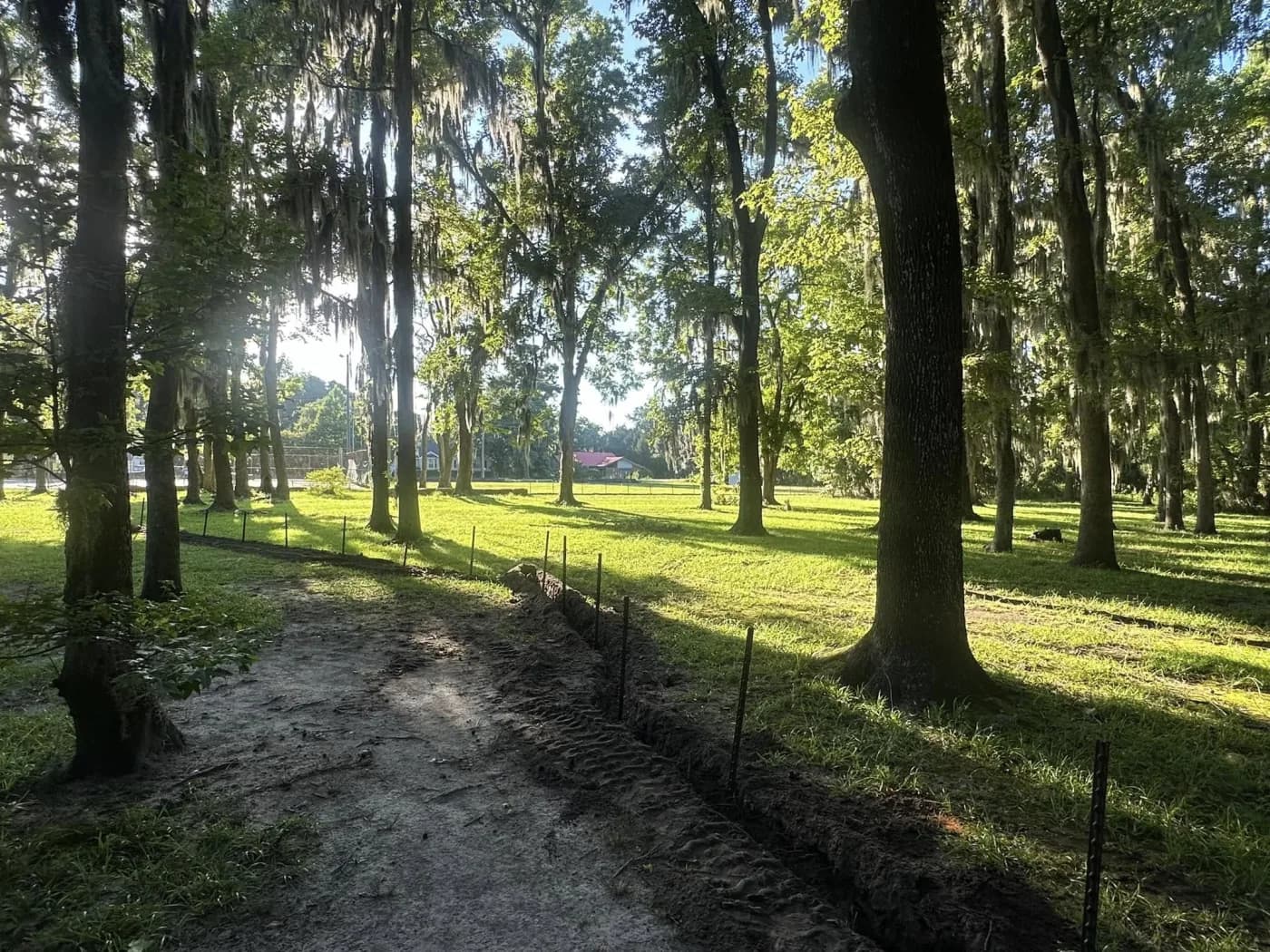
A wet spot is often only the visible part of a larger drainage problem. Water may be entering from a higher section of the property, following a driveway or compacted area, collecting where the grade changes, or carrying exposed soil downhill. Reviewing the full route helps connect the problem you see to the conditions that are causing it.
Drainage and erosion-control work can involve several related parts of the property. The estimate may address shaping the ground, creating or restoring a drainage route, managing a crossing, or protecting disturbed soil. It also identifies which concerns require separate technical or permit review.
Note where water first appears, where it travels, how long it remains, and what happens during heavier rain. Photos taken while the problem is active add useful context alongside the grade, soil, access, existing drainage features, nearby improvements, and a responsible outlet.
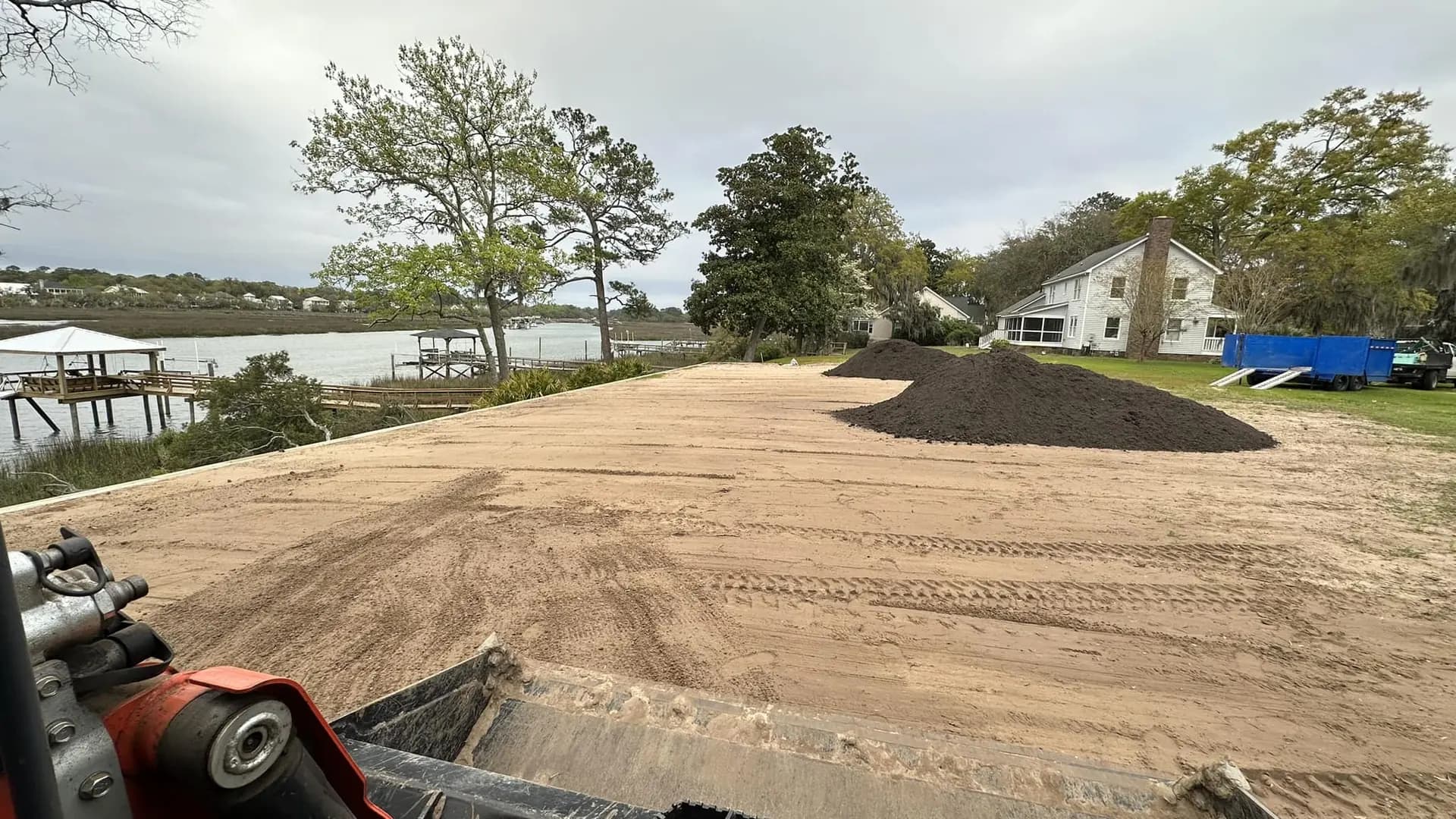
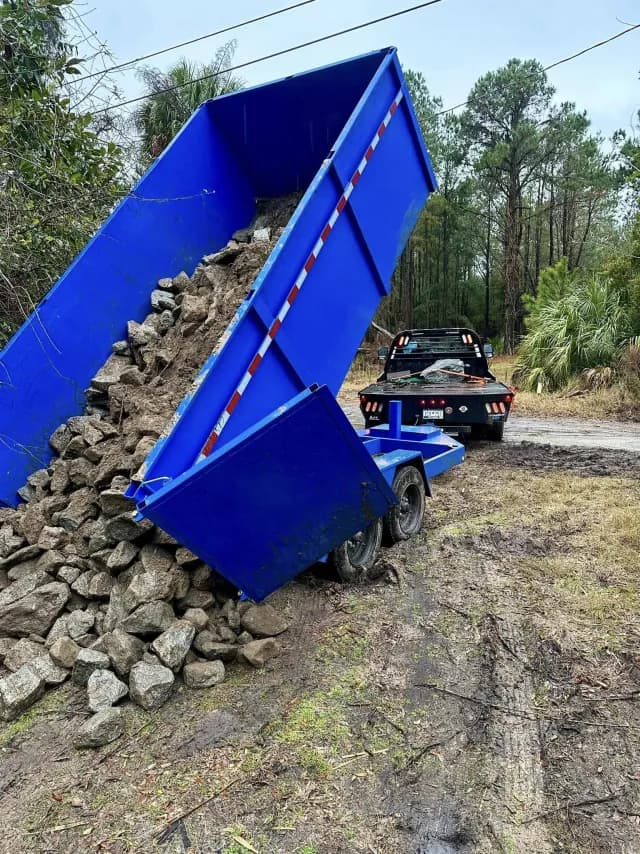
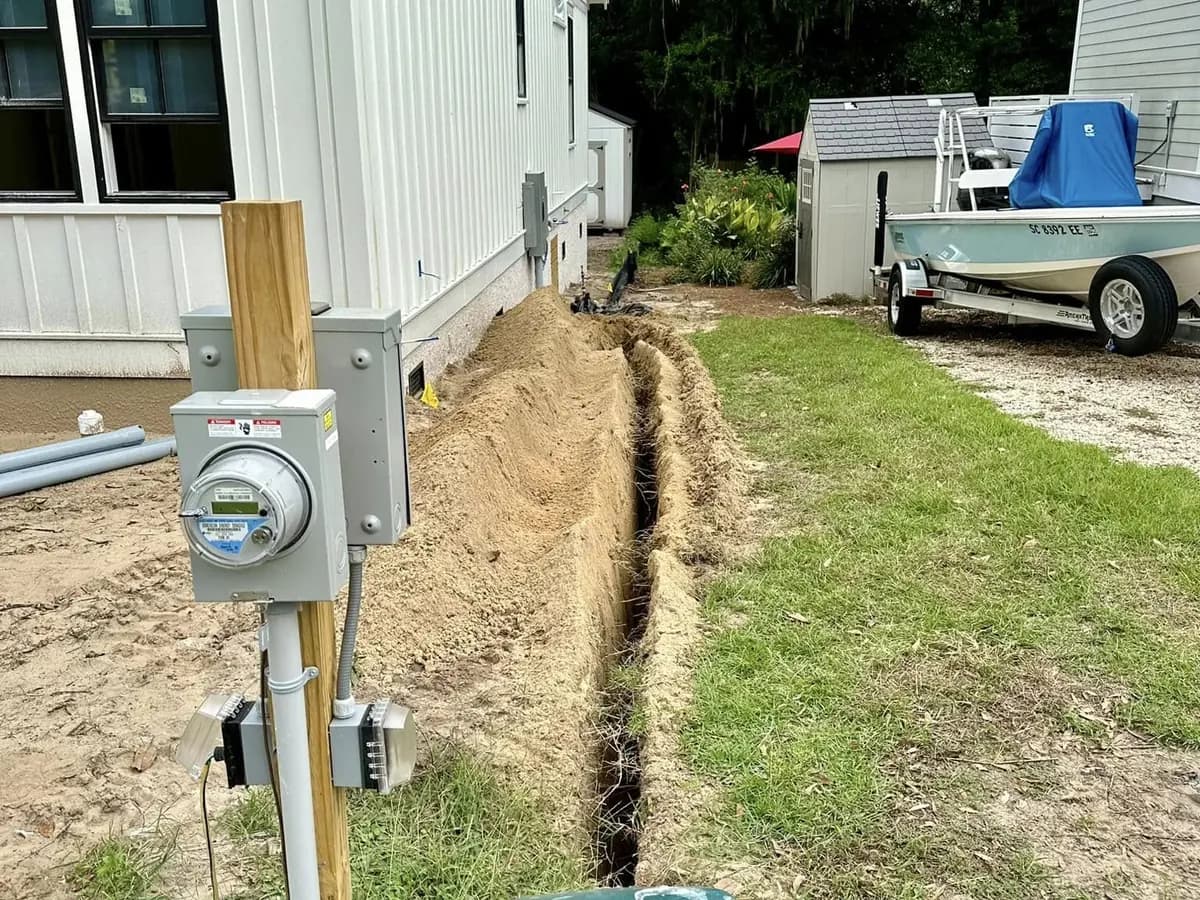
See a similar project below? Tell us where it is and what you would like to accomplish. We’ll inspect the property before recommending the work.
Review low areas, surrounding slopes, soil conditions, and possible outlets when water collects in a yard, access area, or other usable part of the property.
Trace water approaching or crossing a driveway, path, or prepared area and identify how the surrounding grade and existing drainage route affect the problem.
Evaluate where runoff is gaining speed, carrying soil, cutting channels, or affecting disturbed ground so the estimate addresses the source as well as the damaged area.
Define grading, a culvert, drain tile, a French drain, or erosion-control work together when multiple parts of the property contribute to the same water issue.
You don’t need to know the exact service. Start with the property and the result you want.
Water problems are connected to the surrounding grade, soil, structures, and available discharge path.
Where water enters and where it can safely move
The slope and condition of the affected area
Existing ditches, pipes, culverts, or drains
Nearby structures, roads, utilities, and property boundaries
Whether technical, engineered, or permit requirements apply
The estimate identifies the water problem, the work Down East can perform, and any related grading or drainage work. Regulated or engineered requirements must be assigned to the appropriate qualified party before work starts.
Down East Land Improvements evaluates drainage and erosion-control projects across Eastern North Carolina, with Carteret, Craven, Onslow, and Jones counties as the primary service area. Properties outside those counties can still be considered based on the location, requested work, and project fit.
Local properties range from residential lots and wooded acreage to driveway crossings and previously disturbed sites. That variety calls for a property-specific estimate rather than a one-size-fits-all drainage recommendation.
These answers cover the basics. We inspect the property before pricing the work.
You do not need to diagnose it. Show us where the water appears, when it happens, and what part of the property is affected. We’ll determine whether grading, a culvert, drain tile, a French drain, or erosion control belongs in the estimate.
No responsible scope should promise that before the property is reviewed. Results depend on the water source, elevations, soil, available outlet, surrounding property, and any technical or regulatory limits.
Engineering and permit responsibilities vary by project and jurisdiction. Any regulated or engineered requirements must be identified and assigned to the appropriate qualified party before work is confirmed.
Send the address, what is there now, and what you need done. Down East will call to discuss the request, confirm whether the project is a fit, and explain the next step.